By October, many of the boats around Lake Winnebago are out of the water and the trips up north have slowed down. Life in the Fox Valley settles back into its usual routine, and Friday nights often mean a fish fry somewhere familiar.
It is also where a lot of people first notice they are working harder to keep up with the table. Between the busy dining room and the crowd at the bar, you catch every other word and fill in the rest.

Summer has a way of pushing appointments to the back burner. Fall tends to be quieter, with fewer weekend plans and a little more room in the calendar.

The holidays are only a couple of months away, and family gatherings are often where hearing trouble shows up the most. Wait much longer and your next free stretch of time might not come around until spring.

How Fall Weather Affects Your Ears and Hearing Aids

Fall weather does more than send you looking for a jacket. Wind, drier air and the furnace kicking on can leave the skin around your ears dry and itchy. If you wear hearing aids all day, you might notice they don’t feel quite right by late afternoon.

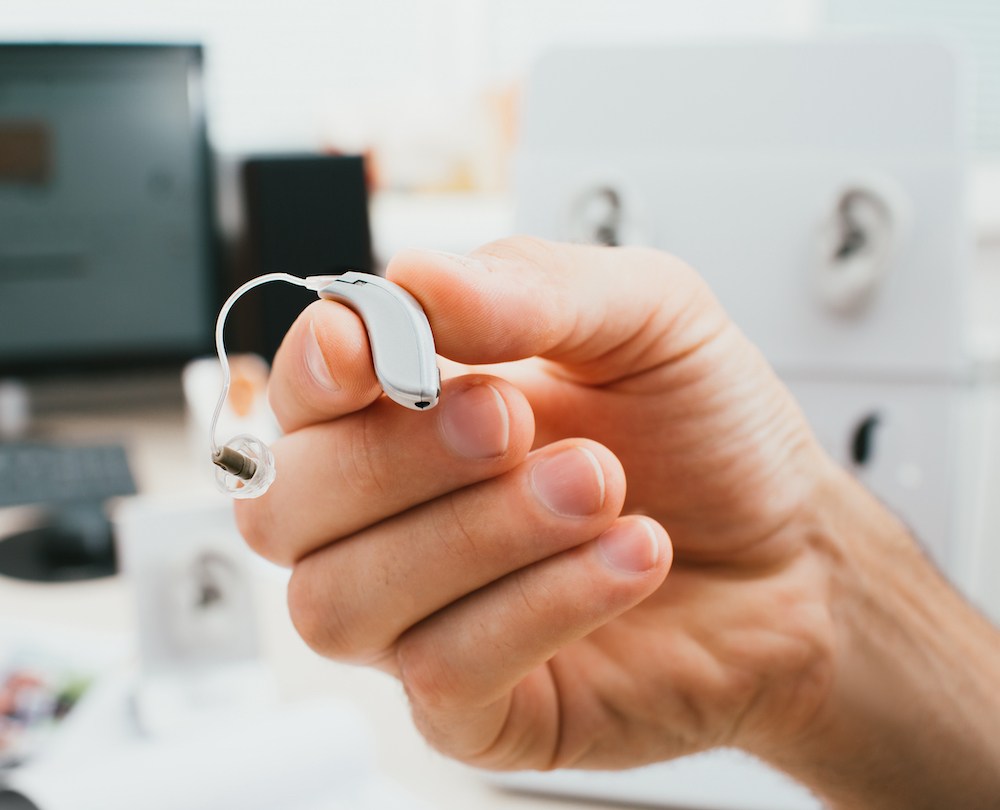
The devices themselves deal with a separate set of issues. Wind hitting the microphones can make outdoor listening harder, while quick temperature changes can lead to condensation after you come inside. A hat or earmuffs can help with wind, and a drying system can help with moisture that builds up over the course of the day.

Fall is also a good time to pay attention to comfort. If your ears suddenly feel sore, itchy or unusually dry, do not assume the hearing aids are the only cause. Seasonal changes around the ear often show up before there is any problem with the devices themselves.

Little Signs Your Hearing Might Be Slipping

Most people don’t wake up one day with hearing loss. It tends to come on slowly, and the first clues are easy to brush off. Maybe people mumble more these days, or the restaurant was just loud.

A few things you might catch yourself doing:

  • Saying “what?” or “huh?” more than usual
  • Nudging the TV or phone volume higher than it used to be
  • Hearing ringing or buzzing when the room gets quiet
  • Feeling wiped out after talking with a group
  • Skipping get-togethers because keeping up feels like too much

Why Fall Gatherings Make Hearing Changes Easier to Notice

A quiet conversation at home does not challenge your hearing the same way a busy gathering does. Autumn brings more dinners, school events, restaurants and indoor get-togethers where several sounds compete at once.

The problem is not always volume. In a crowded room, you have to separate one voice from background music, dishes, nearby conversations and room echo. That extra work becomes much more noticeable when hearing has changed even a little.

Outdoor events create a different kind of test. Football games, fall festivals and pumpkin patches add wind, crowd noise and announcements over speakers. If you keep losing track of the person beside you, the setting might be exposing a hearing change that quieter environments hide.

Why Listening Can Leave You Worn Out

Anyone can feel tired after a long day of meetings or classes. But spending hours filling in missed words and guessing what people said is a different kind of tired. All that extra effort catches up with you.

Maybe you get through a morning of meetings and need a minute alone in your car before driving anywhere. Or you follow the lecture just fine until the class breaks into small groups and half of what’s said slips past you. You end up asking a coworker or classmate to catch you up later, and that gets old fast.

It can follow you home too. After a full day of straining to understand people, dinner conversation with your family might be the last thing you have energy for. If that keeps happening night after night, it could be your hearing and not just your schedule.

Why Early Hearing Care Makes Daily Life Easier

A lot of people change their routines around hearing loss without even realizing it. You grab the seat closest to the speaker, skip the loud restaurant your friends love or hand the phone to your spouse when it rings. Those little workarounds feel harmless, and before long they’re just how you do things.

Dealing with it sooner means you have more choices before those routines start boxing you in. Your brain also gets a steady flow of speech to work with instead of piecing conversations together from half the words.

You’ll likely notice it in how easily you talk with people and how much energy you have left at the end of the day.

Fall is a practical time to look at hearing because social schedules usually pick up before winter. If conversations already feel harder now, waiting several more months usually does not make them easier.

Making Holiday Gatherings Easier to Hear

Holiday gatherings rarely stay quiet for long. Someone is talking across the table, music is playing and another conversation is happening a few feet away. Even with hearing aids, all of that competing sound takes work to sort through.

Where you sit matters more than people sometimes realize. Choose a spot where you can see the people you want to talk with and avoid sitting beside speakers or the kitchen. Ask family members to face you when they speak instead of calling from another room.

Give your hearing aids a quick check before everyone arrives or before you leave home. Make sure they are charged, clear of wax and sounding the way they normally do. Bringing spare batteries or a portable charger also saves you from dealing with a dead hearing aid halfway through dinner.

Making Sense of Your Hearing Benefits This Fall

Hearing coverage is all over the place, and a lot of plans don’t cover hearing aids at all. Some pay for a professional hearing test but nothing else, while others help with part of the cost of devices. If you do have coverage, check what’s left before your benefits reset in January.

Flexible spending accounts through work can usually go toward hearing tests and hearing aids. Most of the time, anything you don’t spend by the end of the year is gone. Some employers allow extra time or a small rollover, so ask HR how yours works.

Health savings account money stays put from year to year, so there’s no rush to spend it. Hearing care usually qualifies, but check your account rules first.

What Happens During a Fall Hearing Evaluation

A hearing evaluation starts with a conversation about what you have been noticing. Your audiologist will want to know where hearing feels difficult, whether anything has changed recently and which situations give you the most trouble.

Next comes a look inside your ears to check for earwax or anything else that could interfere with testing. You will then listen for different tones and repeat words at several volume levels. Those results show which pitches you hear well and where hearing has changed.

Come prepared with a few real examples from daily life. Maybe you lose parts of conversations at family dinners, struggle with television dialogue or have trouble hearing coworkers across a room. Those details give your audiologist context that numbers on a hearing test cannot provide by themselves.

If you already wear hearing aids, bring them with you. Your audiologist can compare what you are hearing now with your current settings and determine whether anything needs to be adjusted before the holidays.

What Happens After Your Hearing Evaluation

The appointment does not end when the testing is finished. Your audiologist will review the results with you and explain what they mean in everyday terms, including whether your hearing has changed and where the biggest difficulties are showing up.

From there, the next step depends on what the evaluation found. You might simply come back for routine monitoring, discuss communication strategies or talk through hearing aid options if more support would help.

If hearing aids are part of the conversation, you do not have to make a decision on the spot. Your audiologist can walk through what would fit your hearing needs, daily routine and budget. You should leave knowing what your options are and what the next step looks like.

Taking the Next Step Toward Better Hearing This Fall

Fall gives you a calmer window to check in on your hearing before the holidays get busy. A hearing evaluation shows where things stand today and gives you something to compare against in the years ahead.

At Audiology and Hearing Aid Center, we see patients in Oshkosh, Neenah, Chilton and Appleton, Wisconsin. We can walk you through your results and answer any questions along the way.

We would like your next Friday fish fry to feel easy again, from the first order to the last story at the table. Call us at (920) 486-6922 to schedule your evaluation.