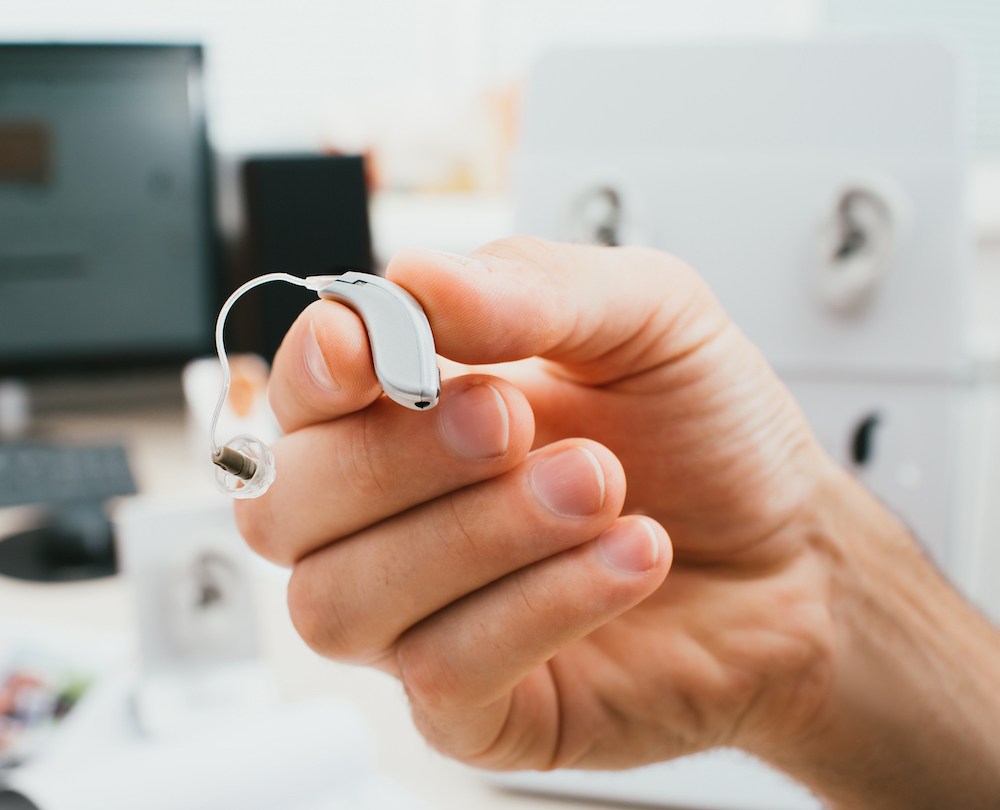
Allergy season is already a lot to deal with. Congestion, itchy eyes, a general sense of feeling run down, and then on top of all of that, your ears start itching the moment you put your hearing aids in.
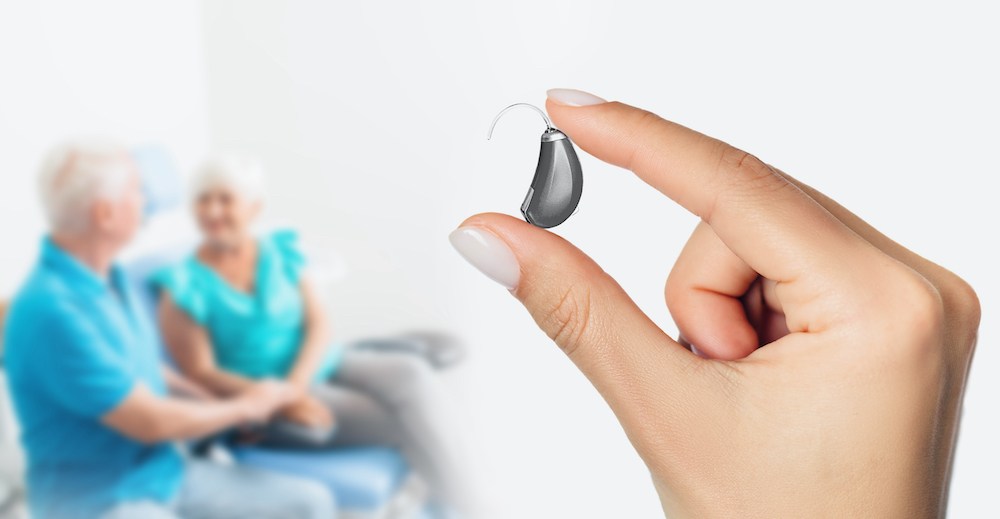
It is one of those combinations that does not get talked about much but is more common than you might think, especially in Wisconsin where spring pollen counts can be genuinely brutal.

The ears are more reactive during allergy season than most people realize. Increased pollen, changes in ear moisture and your body’s inflammatory response can make a hearing aid that felt comfortable in February feel irritating by May.

The device has not changed, but what is going on inside your ear has. That can make occasional itching feel more constant.

Why Allergies Make Your Ears Itch

Most people associate seasonal allergies with a runny nose or watering eyes, but the skin inside your ear canal is just as sensitive to environmental triggers. When you come into contact with pollen, dust or pet dander, your immune system views these particles as a threat and reacts accordingly.

Your body reacts by releasing histamine, which is what leads to inflammation and irritation in the area. The skin inside your ear canal is very thin, so even a small amount of swelling can leave it feeling itchy or a bit congested.

You may notice this more if you wear hearing aids throughout the day. When the skin is already irritated, having the device sitting in place can make that itching feel stronger than it normally would.

Many people who deal with seasonal allergies find that these ear symptoms are a regular part of their experience.

When histamine levels rise, the blood vessels in the canal expand and may even produce extra fluid. Understanding this connection helps you realize that the discomfort is a physical response to your environment rather than an issue with the devices themselves.

How Wisconsin Springs Make It Worse

Wisconsin residents know that the spring thaw is a welcome sight after a long winter, but it often brings a unique set of challenges for your ears. As the snow melts across the Fox Valley, the damp soil creates a breeding ground for mold spores before the trees even start to bud.

Once the temperature starts to rise, tree pollen tends to show up all at once and hang in the air, which can feel like a lot if you are sensitive to it. That kind of quick seasonal shift means you are not easing into it, you are dealing with a sudden jump in environmental triggers all at the same time.

These months can be tough on the skin inside your ear. You are dealing with higher humidity from melting snow and rain, while pollen levels are also at their peak.

This combination is a perfect recipe for a “hot” and itchy feeling, as the moisture can trap irritants against your skin. When the air is full of allergens, the sensitive lining in your ears can stay irritated, making it harder to find relief until the season eases up.

Managing Heat and Moisture in the Canal

Wearing hearing aids naturally changes the environment inside your ears by limiting the amount of fresh air that reaches the canal. When your skin is already reactive due to seasonal allergies, this added humidity can make the area feel much more sensitive and prone to irritation.

The physical presence of the device can also lead to direct discomfort when the lining of your ear is already swollen or prickly. Because the skin cannot breathe as easily, several factors come together to increase your daily frustration:

  • Pollen particles get stuck behind the device and cannot be blown away by natural airflow.
  • Humidity levels rise within the canal and create a damp sensation.
  • Friction occurs between the surface of the hearing aid and the sensitized, tender skin.

Telling the Difference Between Allergy Flare-ups and Material Sensitivity

It is important to distinguish between a temporary seasonal reaction and a genuine sensitivity to the materials used in your hearing aids. Most devices are made from medical-grade plastics, silicone or metals, and while these are generally safe, some individuals have skin that reacts to specific components.

If you notice that your ears only feel itchy or swollen during the spring or fall when pollen is high, you are likely dealing with a seasonal allergy. However, if the discomfort persists throughout the winter or when you are indoors for long periods, the material of the device itself might be the cause.

When your skin is already sensitized by environmental allergens, a material sensitivity can feel much more intense. You might notice redness or a rash exactly where the device rests against your ear canal. If these symptoms happen year-round, we can explore options such as hypoallergenic shells or specialized sleeves that create a barrier between the device and your skin.

Daily Habits to Reduce Pollen Transfer

Managing itchy ears during allergy season involves more than just addressing the symptoms as they happen; it requires a proactive approach to how you handle your hearing aids.

Every time you step outside, microscopic pollen and dust particles settle on your hair, skin and the surfaces of your devices. Consistency is the best defense against the buildup of moisture and allergens that lead to daily discomfort.

To keep your ears feeling their best, focus on these practical steps:

  • Wipe down the exterior of the device every evening with a soft, dry cloth to remove any lingering particles.
  • Wash your hands immediately after being outdoors to prevent transferring pollen to your ears or devices.
  • Use a dehumidifier or dry aid kit overnight to pull out trapped moisture and keep the environment stable.
  • Avoid the temptation to use cotton swabs, which often push allergens and debris deeper into the ear canal.

Why Allergy Wax Creates a Clogged Sensation

When your body is under attack from seasonal allergens, it often ramps up its natural defense mechanisms in unexpected ways. One of the primary jobs of earwax is to trap foreign particles like dust and pollen before they can travel deeper into the ear.

During a heavy allergy season, your ears may significantly increase wax production to combat the high volume of irritants in the air. This is not about hygiene. It is your body trying to protect the sensitive skin in your ear from irritation in the environment.

For someone who wears hearing aids, this extra wax production can quickly lead to a stuffy or clogged feeling that interferes with daily comfort. Extra moisture and wax can make the surface feel slick, so the device may shift or slide more than usual when you move or talk.

This constant movement against the skin often triggers more itching and can lead to the sensation that your ears are blocked, even if your hearing hasn’t actually changed.

Knowing When to Seek Professional Support

While most seasonal ear irritation can be managed with a solid cleaning routine, there are times when discomfort requires a more specialized approach.

The audiologist can often make small modifications to the airflow or the physical fit of devices to account for seasonal swelling. It is helpful to know how to triage symptoms to decide between home care and an office visit.

The following guidelines help determine when it is time to contact your audiologist:

  • The itch is mild, the skin appears dry and the symptoms generally fade after being indoors for a few hours.
  • You notice persistent redness or a rash that does not clear up after a few days of careful cleaning.
  • Any fluid or “weeping” from the canal is visible, which could indicate a more serious skin reaction.
  • The devices feel physically too tight or painful to insert because of seasonal swelling in the ear canal.

Tips for Managing Itchy Ears and Hearing Aid Comfort During Allergy Season

Allergy season is temporary, but dealing with ear discomfort on top of everything else it brings does not have to be your normal. If your hearing aids have been harder to wear this time of year, that is worth looking into rather than just pushing through until the pollen settles down.

At Audiology and Hearing Aid Center, we work with patients across Oshkosh, Neenah, Chilton and Appleton, WI to help make sure seasonal changes do not get in the way of how well your hearing aids work for you. Give us a call at (920) 486-6922 and we can take a look at what is going on.